

For millions of Indians, the problem with formal credit was not necessarily the ability to repay. It was being able to prove it.
Traditional lenders relied heavily on established credit histories, documentation and underwriting processes designed for customers they already understood. For someone with a steady income but a limited borrowing history, getting a relatively small personal loan could still be difficult.
In 2014, Puneet Agarwal and Sanjay Aggarwal started Moneyview. But lending was not what they set out to build.
Puneet had returned to India after spending much of his career in the US, including stints at McKinsey, Capital One and Google. Sanjay came from technology, having worked at companies including Yahoo before building his first startup, Minglebox.
The two began working out of a Starbucks in Bengaluru. Their first product was built there.
Start With the SMS Inbox
The original Moneyview was a personal finance app.
At the time, Indians were rapidly moving onto smartphones, but keeping track of personal finances was still largely manual. Every card payment, ATM withdrawal and bank transaction generated an SMS. Moneyview realised that those messages already contained much of the information someone needed to understand their finances.
Its app automatically read transaction SMSes, categorised spending and gave users a view of where their money was going.
The user did not have to manually enter every transaction or connect each account. The financial record was already sitting on the phone.
It solved a straightforward consumer problem. But over time, it also gave the company an insight into a much larger one.
Moneyview could see patterns in how people earned, spent and managed money. For consumers with limited formal credit histories, those patterns could help create a richer understanding of their financial lives.
The company had started by helping people understand their money. It began to realise that the same technology could also help financial institutions understand them.
From Personal Finance to Credit
In 2016, Moneyview began moving into lending.
The opportunity was especially large among middle-income households that sat outside the traditional sweet spot of many financial institutions. Moneyview focused on consumers who had the capacity to borrow and repay but were often harder to assess using conventional methods alone.
Technology changed both sides of that equation.
A customer could apply digitally rather than navigating a lengthy offline process. On the other side, Moneyview could combine credit bureau information with additional data and its own technology to assess risk.
Over the following decade, that underwriting capability became increasingly sophisticated. Today, Moneyview says its in-house models use more than 100,000 data variables across information including bureau records, bank statements, repayment history and other consented data to segment and assess customers.
The product expanded with it.
What began as an expense-management app became a lending platform and, eventually, a broader financial services business.
Building for a Much Larger India
Moneyview's original insight was built around a structural gap in Indian financial services: millions of people were becoming economically active and digitally connected faster than the formal financial system was learning how to serve them.
The company chose to build for that population.
Today, Moneyview has more than 140 million registered users. By June 2026, 11.9 million of those users had monetised on the platform. The business has also increasingly been built on repeat relationships: repeat AUM rose from 42% in FY24 to more than 62% by June 2026.
The scale looks very different from the first product Puneet and Sanjay built in a Bengaluru coffee shop twelve years ago.
The underlying idea, however, has remained remarkably consistent: use technology and data to make financial services easier to understand and easier to access.
Twelve Years to the Public Markets
For many founders, taking the company they started all the way to the public markets is one of the milestones they dream about.
Getting there requires surviving several versions of the company itself. Products change. Business models evolve. Markets go through cycles. What begins as an insight has to become a product, then a business, and eventually an institution capable of operating at public-market scale.
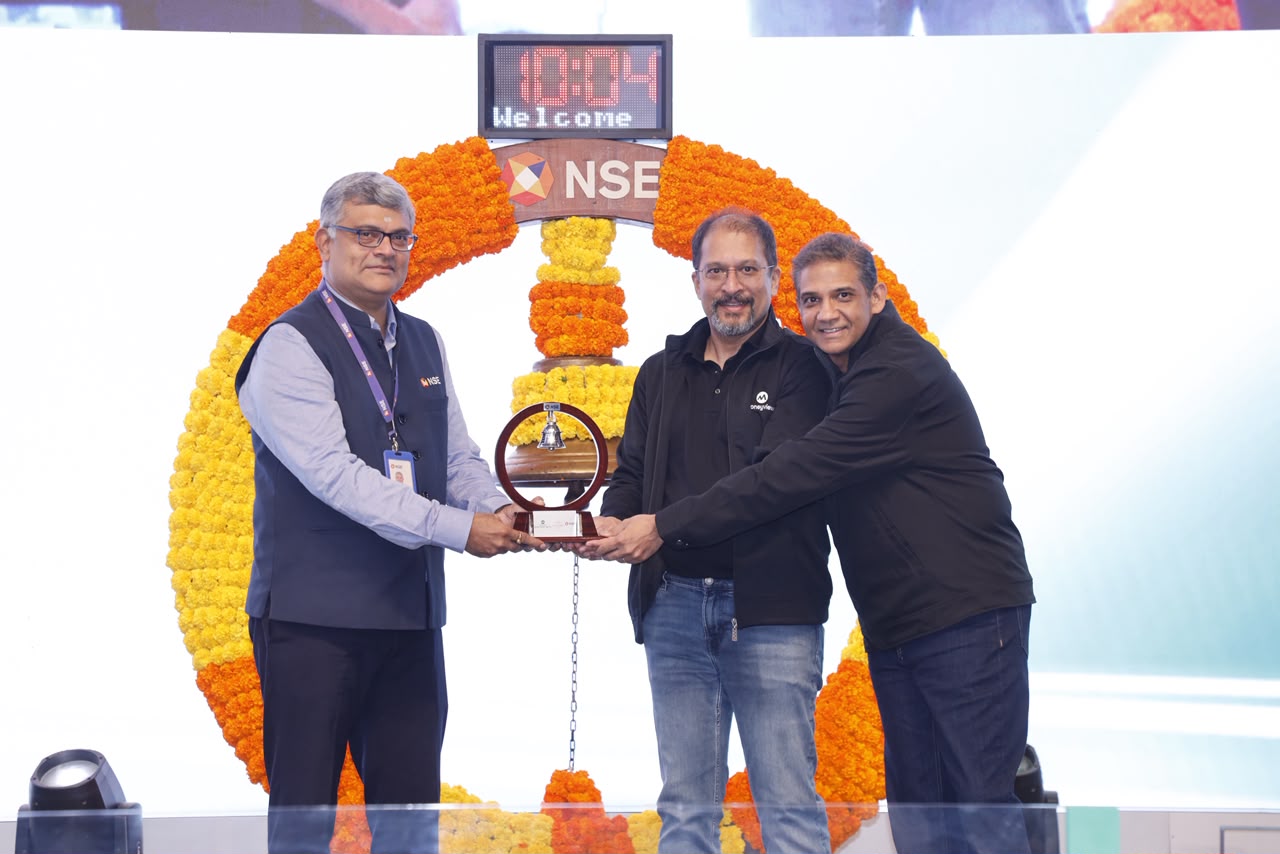
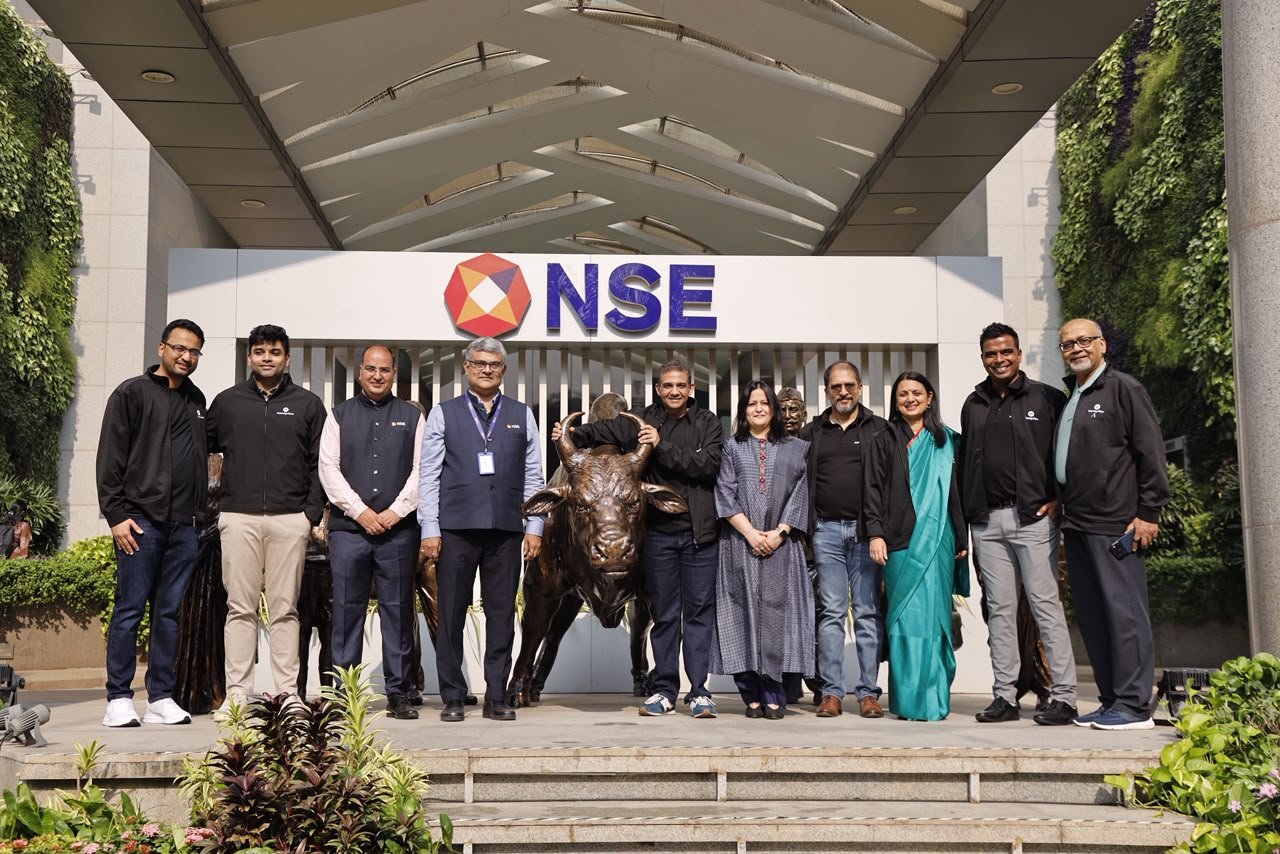
On October 1, 2026, Moneyview listed on the NSE and BSE.
Puneet and Sanjay have now reached that much-coveted milestone with Moneyview.
Trifecta Capital is proud to have been a venture debt partner to Moneyview on this journey.
Congratulations to Puneet, Sanjay and the entire Moneyview team on becoming a public company. From an app built to understand transaction SMSes to a financial platform serving more than 140 million registered users, it has been a remarkable twelve years.
We wish them the very best for the journey ahead.